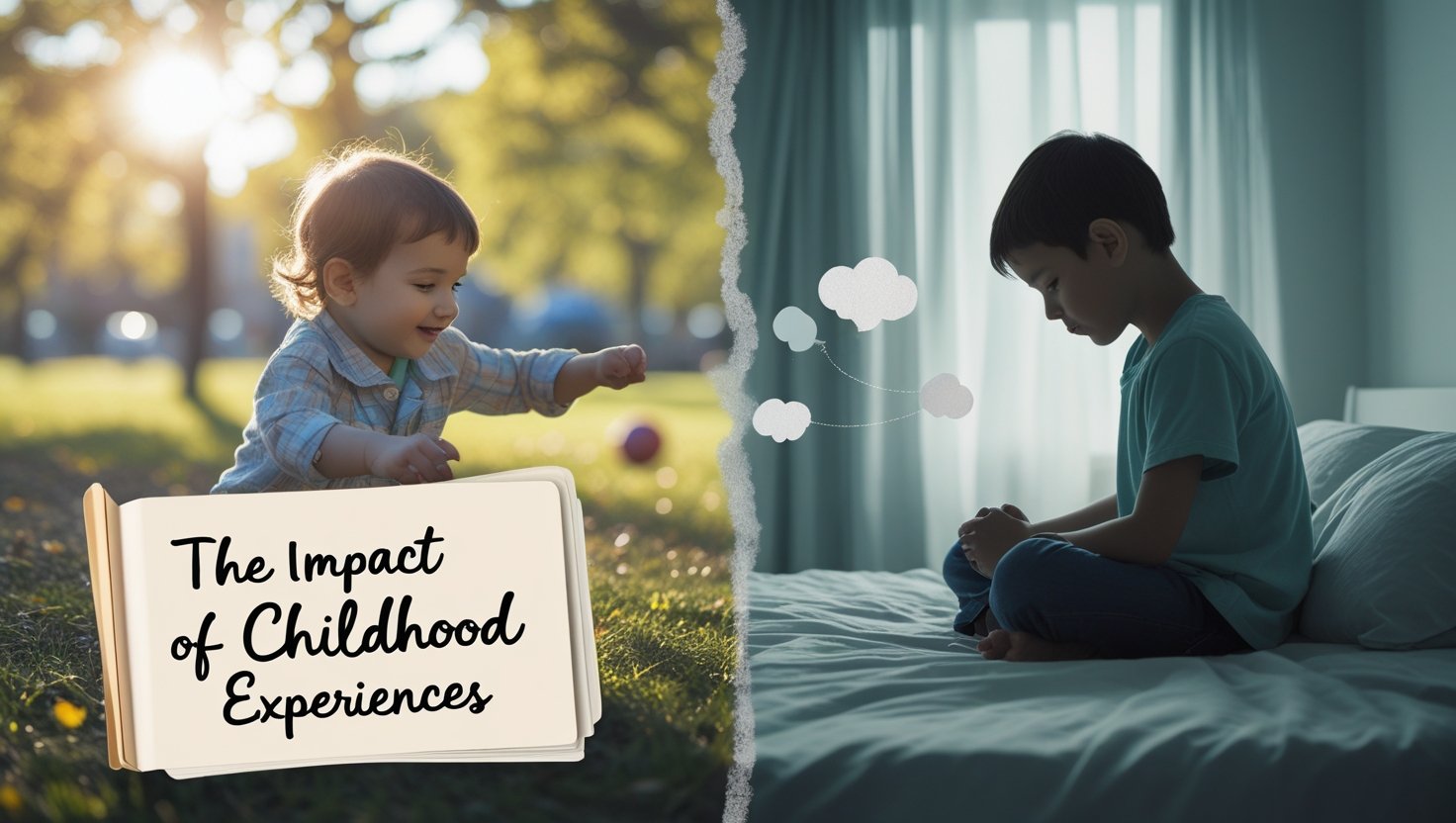
Emotional problems are very important during childhood as they lay the basic foundation for a person’s entire life. When children have their first experiences, they learn to understand and express their emotions. This period is the most important time for them to develop emotional skills. If children receive love, understanding, and support, they learn to manage their feelings better, which is important for their entire relationships and personal growth. But if there is emotional neglect or stress in childhood, it can have a bad effect on their mental health. Such children can suffer from emotional problems like anxiety or depression.
Emotional development is not just limited to understanding emotions, but it also teaches children skills like empathy, self-awareness, and resilience that help them face challenges in adult life. Therefore, parents and teachers must provide such an environment to children where they can express their feelings and develop healthy emotional habits. This is important not only for their mental health but also for their social and academic success. With good emotional development in childhood, a person can make better decisions in their life and can make their relationships stronger.
Cognitive Development and Learning in Childhood:
Cognitive development is very important in childhood as it helps children learn to think, understand, and solve problems. This is the period when children develop their learning abilities, such as memory, attention, and problem-solving skills. Each child has his or her own learning style that helps in their growth. For good cognitive development, children should be exposed to environments and activities that foster their curiosity and thinking abilities. Parents and teachers should provide them with games, reading, and interactive lessons that challenge their minds.
When children understand new concepts, their self-confidence increases, and they are able to deal with life’s problems better. But if there is any obstacle in cognitive development, children face difficulties in school and everyday life. For this, timely support and a positive learning environment are very important. This period of childhood is the fundamental medium for a person’s academic success, career opportunities, and problem-solving skills. Through cognitive development, children not only acquire knowledge but also improve their thinking and reasoning abilities, which help them to move ahead in life.
Socialization and Peer Relationships:
It is very important to socialize and make friends during childhood because these skills prepare a person for life. When children spend time with others in school and sports, they learn to understand social norms and the emotions of others. During this time, they develop skills such as teamwork, sharing, and communication, which are essential for their social life. Through good friendships and positive peer relationships, children improve their self-esteem and get emotional support, which is essential for their mental health. But if the child is a victim of bullying or social isolation, their social development could be hampered, which could have a long-term negative impact on their lives.
Therefore, parents and teachers should monitor the social interactions of the child and provide them with a good social environment. Through socialization, children learn to understand their identity, and their confidence increases, which helps them move forward and become a part of strong relationships and a healthy society. These social skills play an important role in the overall development of the child, which proves to be helpful in their adult life as well.
Long-term Psychological Effects of Childhood Trauma:
Childhood traumatic experiences, such as physical or emotional abuse, neglect, or the death of a relative, can have a profound impact on a person’s life that often lasts into adulthood. Such experiences damage a person’s mental and emotional health, which can lead to problems such as anxiety, depression, and PTSD. Childhood trauma can also cause trust issues and relationship problems, and a person may find it difficult to express his or her feelings. Apart from this, bad or stressful experiences of childhood also affect a person’s brain development, due to which their decision-making and coping skills can become weak.
If the trauma is not treated on time, then these issues increase and create obstacles in a person’s professional and social life. But if timely therapy and emotional support are received, recovery is possible. It is very important to understand the impact of childhood trauma and to treat it so that a person can make their life better and remain in a healthy mental state. All this creates a strong foundation for the children so that they can face their future challenges better.
Building Resilience from Early Experiences:
The challenges and difficulties a person faces in childhood build their resilience, i.e., strength and power, which proves to be very helpful in his life. Resilience means the ability with which a person can face difficult situations and overcome them, and move forward in life. When children get a supportive environment where their feelings are understood and they can learn from their mistakes, their resilience increases. This helps them to handle stress and challenges.
The resilience of every child is different, but good parental support, positive relationships, and self-confidence play a very important role in this. Developing resilience in childhood protects a person from depression, anxiety, and failure in adulthood. It gives courage and hope to a person during difficult times in life. If resilience is not developed in childhood, then a person gets tired quickly of life’s pressures and faces difficulty in achieving their goals. Therefore, we need to give children positive experiences that boost their emotional and mental strength so that they can handle themselves at every stage of life and achieve success.
Conclusion:
Childhood is the most fundamental phase of a person’s life that shapes all aspects of his or her future. The experiences and learning we gain during childhood have a profound impact on our emotions, mind, and social health. Good childhood development makes a person successful, confident, and emotionally stable in adult life. But trauma or neglect during childhood can harm a person’s mental health and relationships. Therefore, it is important that we give our children love, support, and a good environment so that they can achieve their full potential. Understanding and paying attention to childhood hardships is not just beneficial for them but also for society, as it makes our nose strong and happy.
Every human being should understand their childhood experiences and learn from their positive and negative aspects so that he can live their life better. This process helps in understanding the challenges of life in adult life and handling them successfully. Hence, it is important to accept the importance of childhood and act upon it.
FAQs:
1. Why are childhood experiences important for adult life?
Childhood experiences shape the emotional, cognitive, and social foundation of a person’s life. Positive experiences like love, support, and good learning environments help children become confident, emotionally stable, and socially skilled adults. On the other hand, negative experiences such as neglect or trauma can lead to emotional and mental health challenges later in life.
2. How does childhood trauma affect a person in adulthood?
Childhood trauma such as emotional neglect, abuse, or loss can lead to long-term issues like anxiety, depression, PTSD, trust problems, and difficulty in relationships. If these traumas are left untreated, they can also negatively impact a person’s decision-making and coping abilities. Early therapy and support can help in healing and recovery.
3. What is cognitive development and why is it crucial during childhood?
Cognitive development refers to a child’s ability to think, understand, remember, and solve problems. It is essential during early years because it builds the foundation for academic success, reasoning skills, and confidence. Activities like reading, problem-solving games, and positive learning environments play a major role in boosting this growth.
4. How does social interaction in childhood influence future relationships?
Healthy peer relationships and socialization help children learn communication, empathy, and teamwork. Good friendships build self-esteem and emotional support, which are vital for healthy adult relationships. However, issues like bullying or isolation can harm a child’s social skills and have lasting effects on their social confidence.
5. What is resilience, and how can it be developed in children?
Resilience is the ability to recover from challenges and keep going. It can be developed through a supportive environment, positive relationships, and encouragement. Teaching children to cope with failure, understand emotions, and believe in themselves makes them mentally strong and better prepared for life’s difficulties as adults.