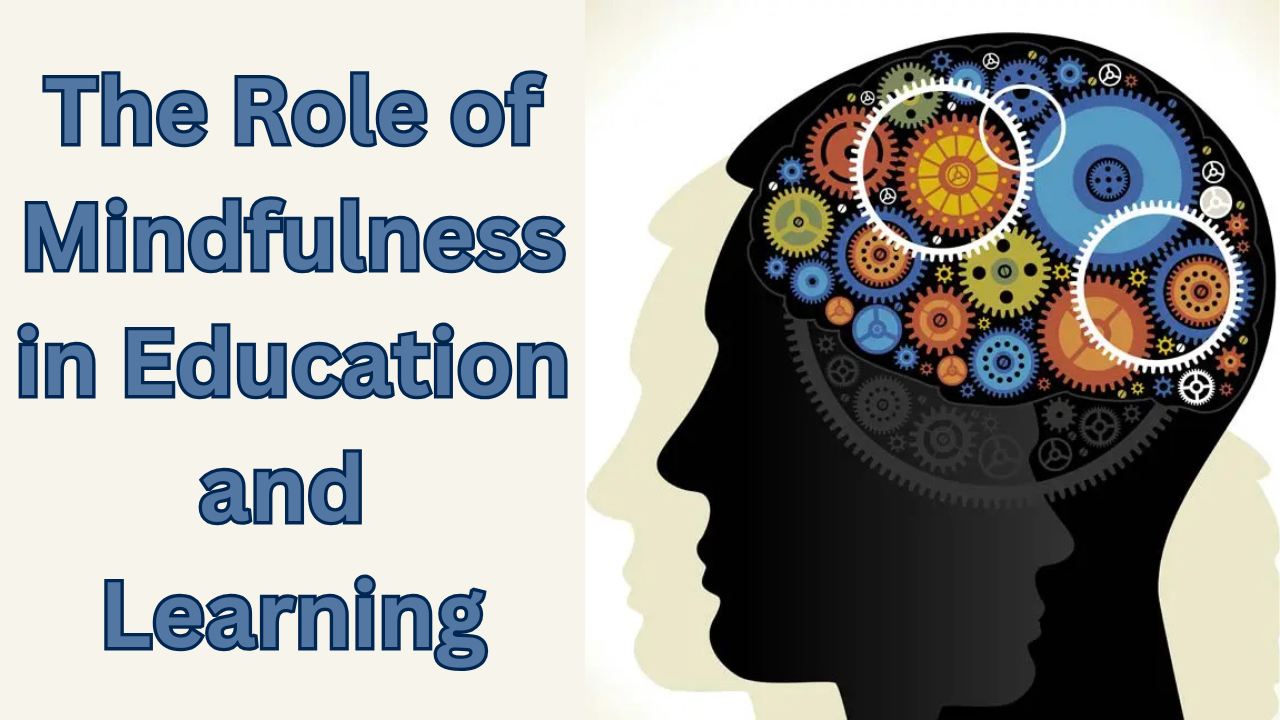
Mindfulness means paying attention to what’s happening right now. It’s about noticing your thoughts, feelings, and what’s around you without judging them. Recently, many teachers and students have started to use mindfulness because it helps them learn better and feel happier.
Understanding Mindfulness:
Mindfulness means being fully present. It’s about noticing what is happening right now, both inside and outside of you. This practice helps you become more aware of your thoughts and feelings without getting overwhelmed by them. Mindfulness can be practiced through activities like meditation, deep breathing, or simply paying attention to your surroundings.
Benefits of Mindfulness in Education:
Mindfulness has many benefits in education. It helps students improve their focus and concentration. When students practice mindfulness, they learn to pay attention to the present moment and avoid distractions. This leads to better academic performance because students can stay on task and absorb information more effectively.
Mindfulness also helps reduce stress and anxiety. Many students experience stress from exams, homework, and social pressures. Mindfulness teaches them to manage their stress by staying calm and relaxed. This results in a more positive learning experience and better mental health.
Additionally, mindfulness promotes emotional regulation. Students who practice mindfulness can better understand and manage their emotions. This means they are less likely to react impulsively and more likely to respond thoughtfully in challenging situations. Emotional regulation leads to improved relationships with peers and teachers, creating a more supportive and harmonious classroom environment.
Mindfulness Practices for Students:
There are several mindfulness practices that students can easily incorporate into their daily routines. One simple practice is mindful breathing. Students can take a few minutes each day to focus on their breath. They can notice the sensation of the air entering and leaving their noses. This practice helps calm the mind and improve focus.
Another practice is mindful walking. Students can pay attention to each step they take, noticing the feel of their feet on the ground. This helps them stay present and grounded.
Mindful listening is another useful practice. Students can practice listening attentively to sounds around them, such as the ticking of a clock or the chirping of birds. This enhances their ability to concentrate and be present.
Mindfulness in the Classroom:
Teachers can incorporate mindfulness into their classrooms to create a more positive learning environment. One way to do this is by starting the day with a short mindfulness activity. For example, teachers can lead students in a few minutes of deep breathing or a simple meditation exercise. This helps students start the day with a calm and focused mind.
Teachers can also integrate mindfulness into lessons. For example, during a reading activity, teachers can encourage students to pay close attention to the words and visualize the story in their minds. This practice enhances comprehension and engagement.
In addition, teachers can create a mindful classroom environment by encouraging students to take mindful breaks. If students seem restless or distracted, a short mindfulness exercise can help them regain focus. Teachers can also model mindfulness by practicing it themselves and sharing their experiences with students.
Mindfulness and Academic Performance:
Research has shown that mindfulness can have a positive impact on academic performance. Students who practice mindfulness are better able to concentrate and stay focused on their studies. They are less likely to be distracted by negative thoughts or external distractions. This leads to improved academic outcomes, such as higher grades and better test scores.
Mindfulness also enhances cognitive skills, such as memory and problem-solving. When students are mindful, they can process information more effectively and think more clearly. This helps them perform better in subjects that require critical thinking and analysis.
Mindfulness and Social-Emotional Learning:
Mindfulness is closely linked to social-emotional learning (SEL). SEL involves developing skills like self-awareness, self-regulation, empathy, and social skills. Mindfulness supports SEL by helping students become more aware of their emotions and how they affect their behavior. This self-awareness is the foundation for developing other SEL skills.
Mindful students are better able to regulate their emotions, which helps them manage stress and stay calm in difficult situations. They are also more empathetic and understanding towards others. This leads to better relationships with peers and teachers and a more positive school climate.
Challenges of Implementing Mindfulness in Schools:
While mindfulness has many benefits, there are also challenges to implementing it in schools. One challenge is a lack of time. Teachers often have packed schedules and may find it difficult to fit mindfulness activities into the school day. However, even short mindfulness exercises can be effective, and teachers can start with just a few minutes each day.
Another challenge is resistance from students. Some students may be skeptical about mindfulness or find it difficult to stay focused during mindfulness activities. It’s important for teachers to be patient and provide guidance and encouragement. Over time, students can develop their mindfulness skills and experience the benefits.
Conclusion:
Mindfulness is very important for education and learning. It helps students focus better, feel less stressed, and manage their emotions. When teachers use mindfulness in the classroom, they create a happy and supportive place for students to learn. There are some challenges to using mindfulness in schools, like finding time for it. But the benefits are worth the effort. Mindfulness helps students do better in school and feel good emotionally and socially. It makes learning more enjoyable and effective for everyone.